
How to Brew the Perfect Dark Roast Coffee: French Press & Espresso
Updated: Jun 15
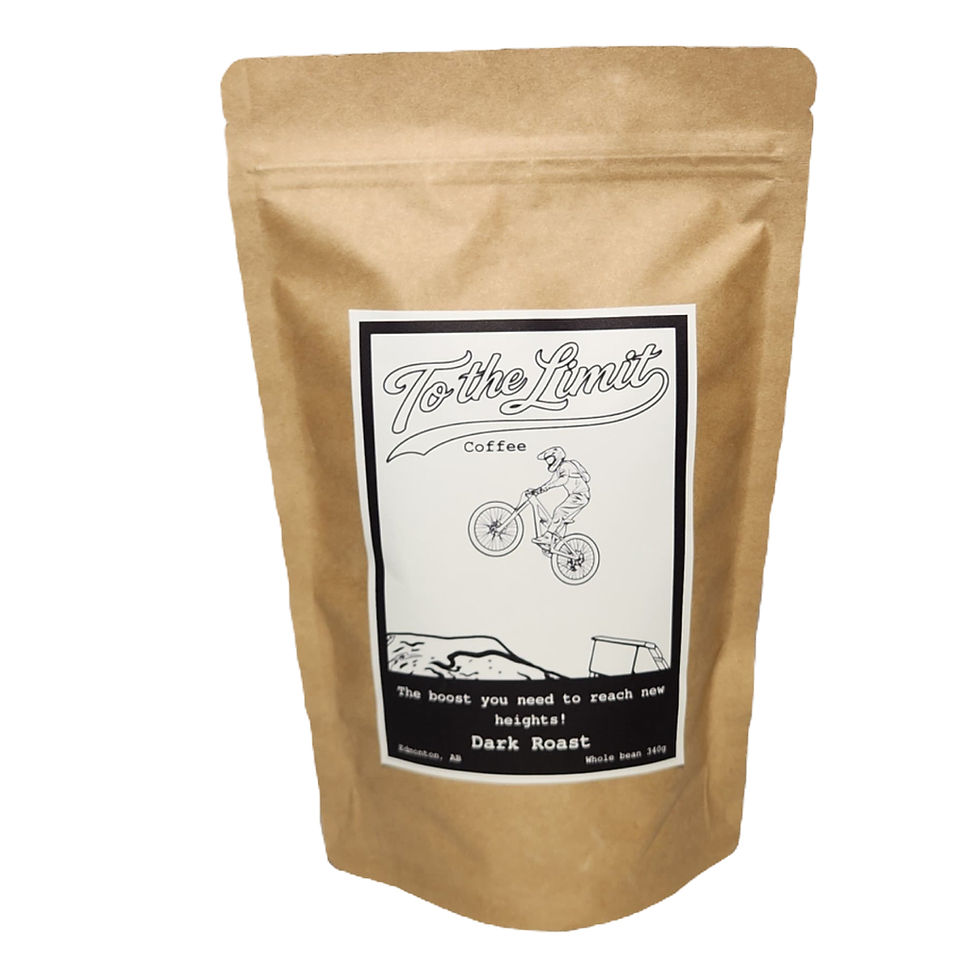
Dark roast coffee is known for its bold body, rich chocolate notes, and smooth finish. While many people assume darker coffee is easier to brew, it can actually be more sensitive to brewing variables than lighter roasts. Because dark roasted beans are more soluble, they extract quickly and can easily become bitter if not brewed carefully, brewed too hot or for too long. Whether you're using a French press or an espresso machine, a few simple adjustments can help you bring out the sweetness and depth that make dark roast coffee so enjoyable.
Why Dark Roast Requires a Different Approach
During roasting, coffee beans become more porous and easier to extract. This means dark roasts generally
require:
Lower water temperatures
Slightly shorter extraction targets
Careful attention to grind size
Consistent brew ratios
Using water that is too hot or extracting for too long can result in harsh bitterness and an overly smoky taste. Lower temperatures often help reveal the sweeter chocolate, caramel, and nutty characteristics hidden beneath the roast profile.
Brewing Dark Roast with a French Press
The French press is one of the best methods for showcasing the full body and rich mouthfeel of dark roast coffee.

What You'll Need
French press
Burr grinder
Fresh dark roast coffee beans
Scale (recommended)
Kettle
Filtered water
Recommended Recipe
Coffee: 30g
Water: 450g
Ratio: 1:15
Water Temperature: 185–195°F (85–90°C)
Brew Time: 4 minutes
Grind Size: Coarse
Step-by-Step Instructions
1. Preheat Your French Press
Rinse the press with hot water and discard it. This helps maintain a stable brewing temperature.
2. Grind Fresh
Use a coarse grind that resembles coarse sea salt. Grinding too fine can create excessive sediment and bitterness.
3. Add Coffee and Water
Place the coffee grounds in the French press and pour in the full amount of water. Make sure all grounds are saturated.
4. Let It Steep
Place the lid on top without pressing the plunger. Allow the coffee to steep for approximately 4 minutes.
5. Stir and Break the Crust
After steeping, gently stir the floating coffee crust and skim away any excess foam if desired.
6. Press Slowly
Press the plunger down with steady pressure. Avoid forcing it if resistance is high.
7. Serve Immediately
Pour the coffee into cups or a separate carafe right away. Leaving brewed coffee in the press can lead to over-extraction and bitterness.
French Press Tips for Dark Roast
If the coffee tastes bitter, lower your water temperature.
If it tastes weak or sour, try a slightly finer grind.
Use freshly roasted whole beans whenever possible.
Filtered water can dramatically improve cup quality.
Brewing Dark Roast Espresso
Dark roast coffee has long been a favourite for espresso because it produces a rich, syrupy shot with notes of
chocolate, caramel, and toasted nuts.
However, dark roasts can easily become over-extracted, so dialling in your espresso recipe is important.

Recommended Starting Recipe
Dose: 18g - 21g of coffee
Yield: 36g espresso
Ratio: 1:2
Water Temperature: 190–198°F (88–92°C)
Extraction Time: 25–30 seconds
Step-by-Step Instructions
1. Grind for Espresso
Start with a fine espresso grind and adjust as needed.
2. Dose and Tamp
Use a consistent dose and tamp evenly to create a level coffee bed.
3. Lower the Brew Temperature
Many espresso machines default to higher temperatures that work well for lighter roasts. Dark roasts often benefit from slightly cooler water to prevent bitterness.
4. Pull the Shot
Aim for a balanced extraction that produces approximately twice your dry coffee weight in espresso.
For example:
18g coffee in
36g espresso out
25–30 second extraction
5. Taste and Adjust
Use taste as your guide.
If your espresso tastes:
Too Bitter
Too Sour
Lower the temperature slightly
Grind slightly coarser
Reduce shot yield
Increase temperature slightly
Grind finer
Increase extraction slightly
Espresso Tips for Dark Roast
Fresh beans make a significant difference. Allow beans to rest several days after roasting before brewing espresso. Small grind adjustments can dramatically change extraction.
Record your settings so you can repeat great shots consistently.
Final Thoughts
Dark roast coffee rewards simplicity. By using slightly cooler water, maintaining proper brew ratios, and paying attention to extraction, you can unlock the rich sweetness and full-bodied character that dark roasts are known for. Whether you prefer the bold, comforting cup produced by a French press or the concentrated intensity of
espresso, starting with quality beans and a consistent brewing process will help you get the most from every bag. To the Limit Coffee, we believe great coffee should fuel every adventure—from early mornings before a ride to well-earned recovery after a long day. Take the time to dial in your brew, and you'll be rewarded with
a cup that's worth the effort.


Comments